Introduction
Acrylic nails offer instant length and glamour, but the aftermath of removing them can be a nightmare for your natural nails. From thinning nail plates to painful peeling and brittle edges, the damage caused by harsh chemicals and improper removal is a common struggle for fashion lovers across the United States. If your nails look “paper-thin” or feel sensitive after your latest salon visit, it’s time for a professional intervention. In this guide, we consulted dermatological experts to bring you a step-by-step recovery plan to restore your nails to their former strength and health.
1. Why Acrylics Damage Your Nails
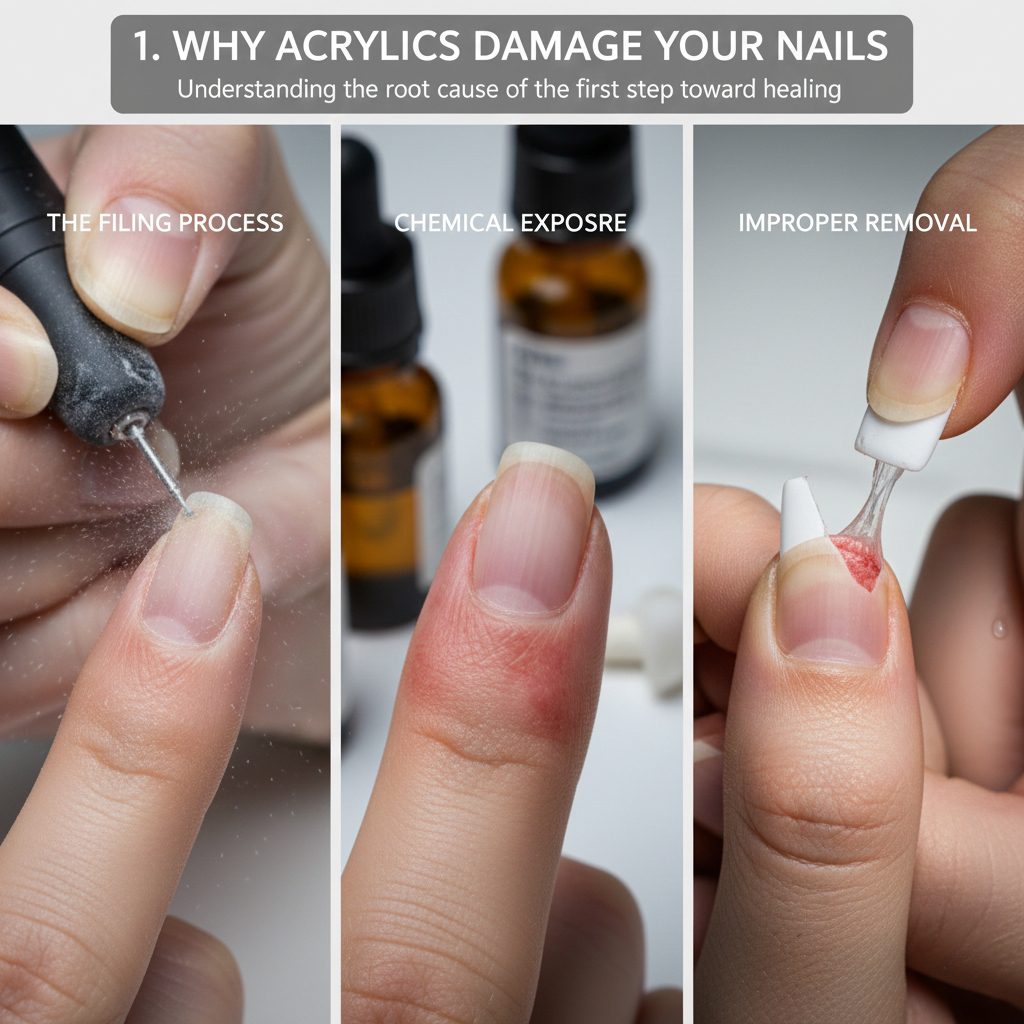
Understanding the root cause of the damage is the first step toward healing.
- The Filing Process: To make acrylics stick, nail technicians often file down the top layer of your natural nail, making it thin and weak.
- Chemical Exposure: The monomers and polymers used in acrylics can cause allergic reactions or dryness.
- Improper Removal: Tearing or prying off acrylics at home can pull away layers of your natural nail bed, leading to long-term trauma.
2. The 48-Hour Dehydration Phase
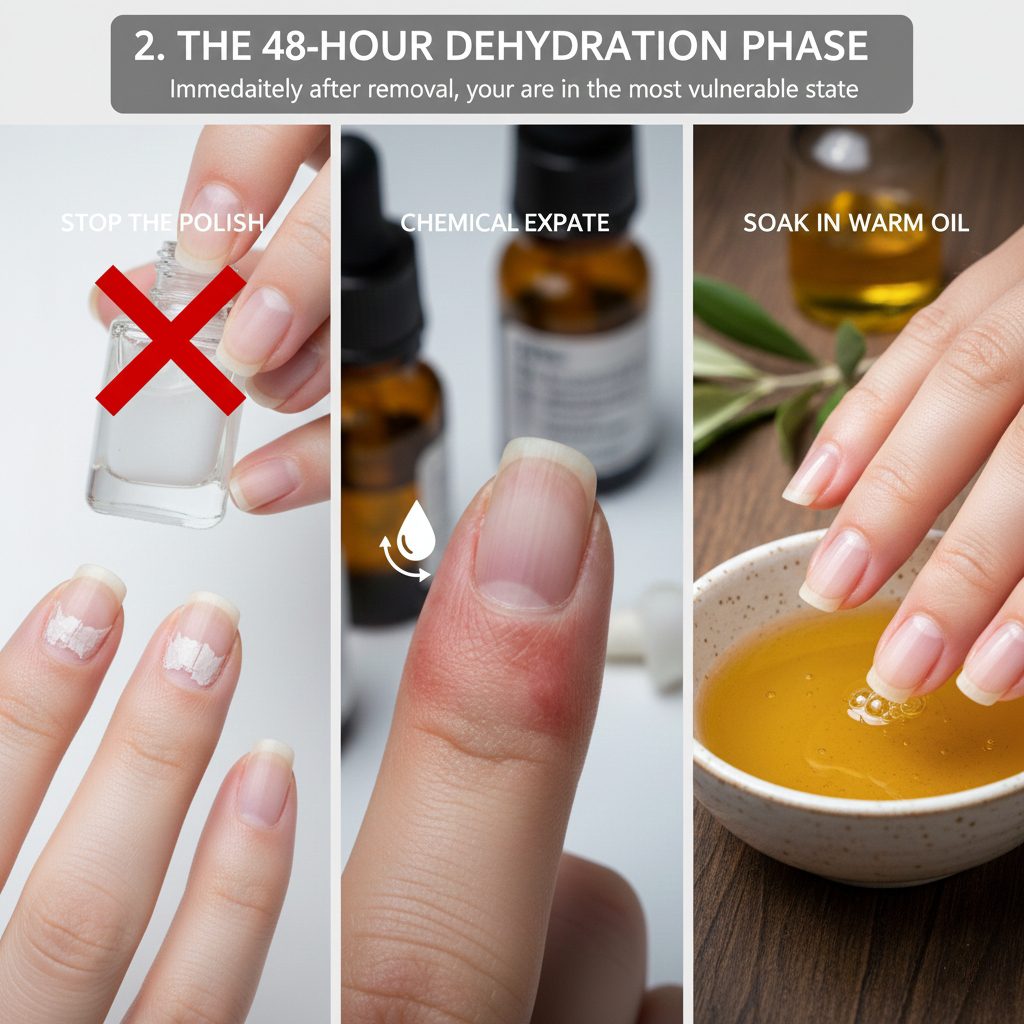
Immediately after removal, your nails are in their most vulnerable state.
- Stop the Polish: Do not apply any polish, including gel or regular lacquer, for at least 48 hours.
- Rehydrate: Nails are porous; they need to breathe and absorb moisture.
- Soak in Warm Oil: A 10-minute soak in warm olive oil or jojoba oil can work wonders to penetrate the damaged layers.
3. Dermatologist-Recommended Treatment Steps
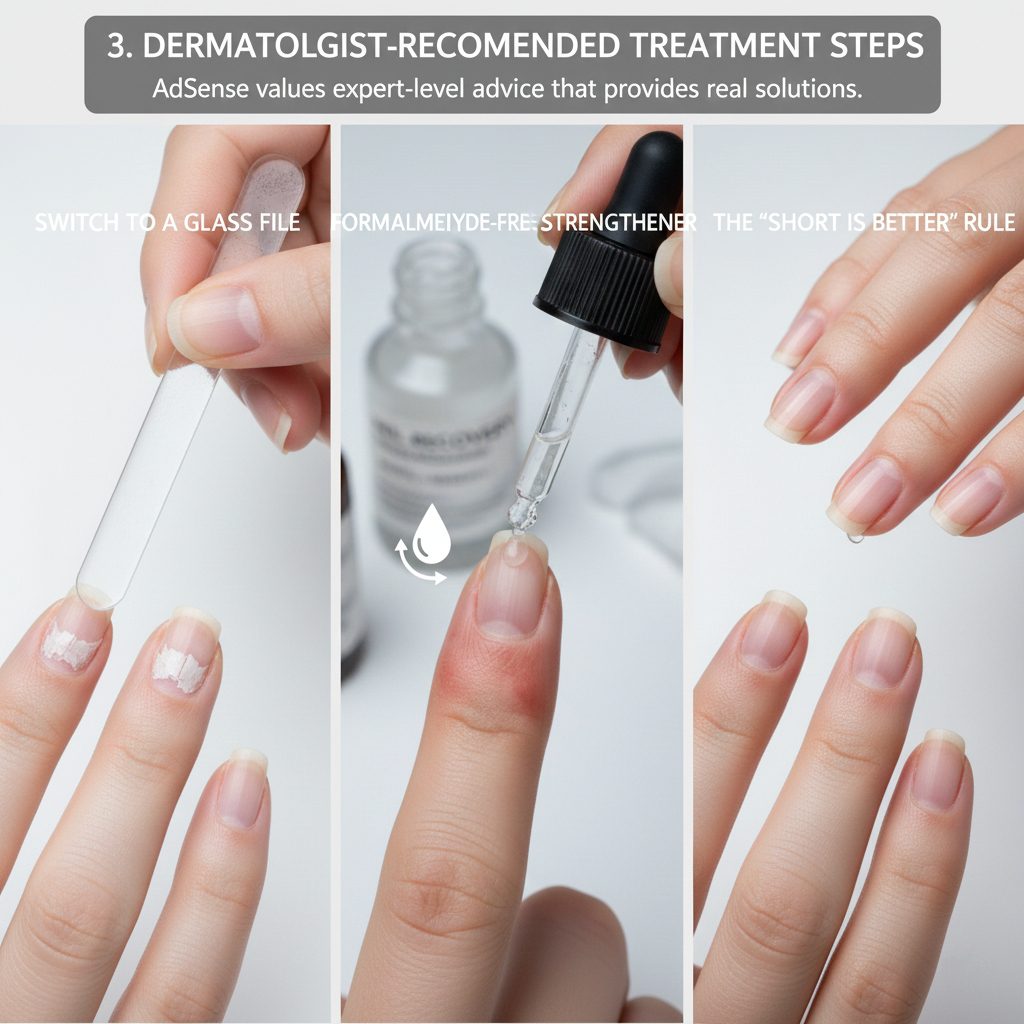
AdSense values expert-level advice that provides real solutions.
- Switch to a Glass File: Traditional emery boards can cause micro-tears in weakened nails. A glass file seals the edges of the nail as you file, preventing further peeling.
- Use a Formaldehyde-Free Strengthener: Look for “Nail Recovery” treatments containing Biotin or Keratin to reinforce the nail structure.
- The “Short is Better” Rule: Keep your nails trimmed short while they heal. Long nails have more leverage to bend and snap, which can be painful when the nail plate is thin.
4. Nutritional Support: Healing from the Inside Out
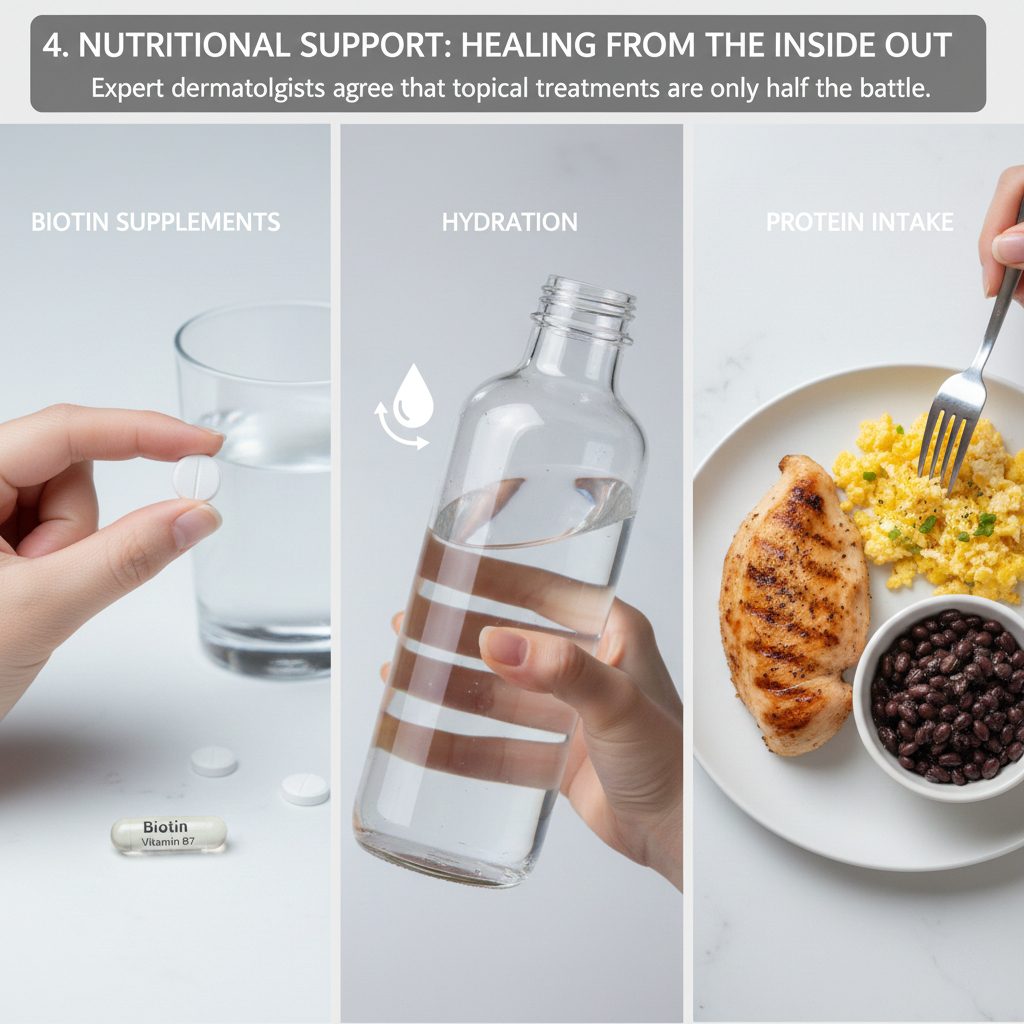
Expert dermatologists agree that topical treatments are only half the battle.
- Biotin Supplements: Biotin (Vitamin B7) is scientifically proven to increase nail thickness and reduce brittleness.
- Hydration: Drinking enough water ensures that your nail bed remains hydrated, preventing the “cracked” look.
- Protein Intake: Since nails are made of a protein called Keratin, a diet rich in lean meats, beans, or eggs is essential for regrowth.
5. Products to Look for in the USA Market
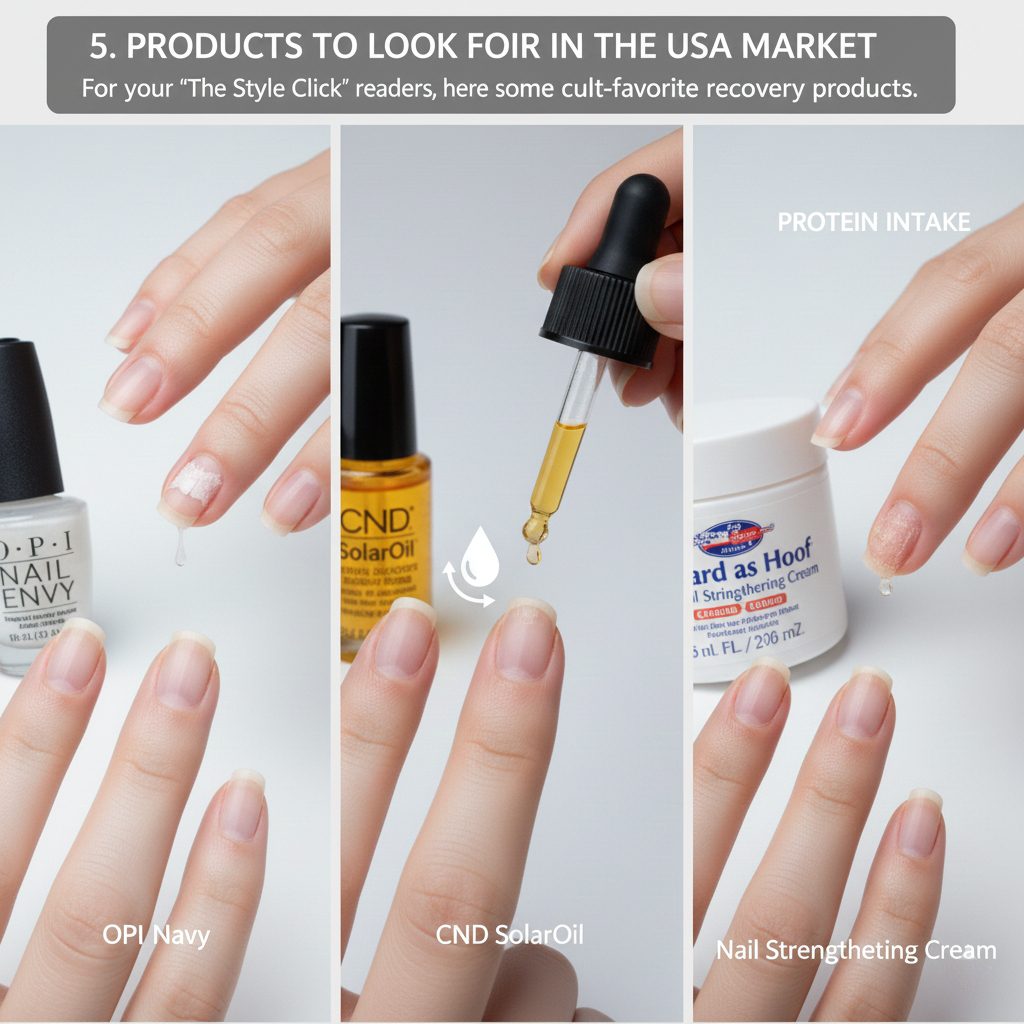
For your “The Style Click” readers, here are some cult-favorite recovery products:
- OPI Nail Envy: A classic strengthener for thin nails.
- CND SolarOil: Highly recommended by pros for its deep-penetrating jojoba oil and Vitamin E.
- Hard as Hoof Nail Strengthening Cream: A top-rated moisturizer for severely damaged cuticles and nails.
6. When to See a Professional?
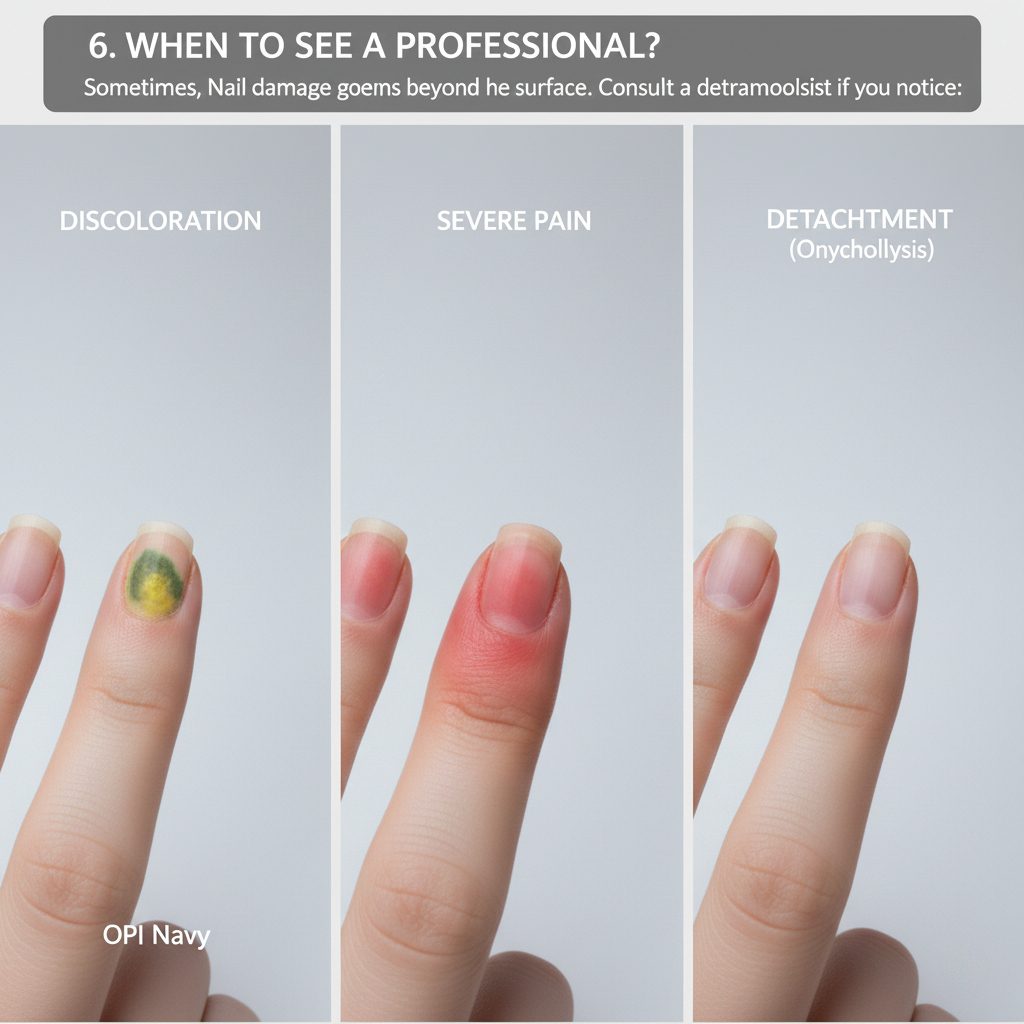
Sometimes, nail damage goes beyond the surface. Consult a dermatologist if you notice:
- Discoloration: Yellow or green spots could indicate a fungal infection.
- Severe Pain: If the nail bed is red, swollen, or throbbing.
- Detachment: If the nail is starting to lift away from the skin (Onycholysis).
Conclusion
Repairing your nails after acrylics requires patience and a consistent routine. While it may be tempting to cover the damage with another set of extensions, giving your nails a “recovery break” is the best investment you can make for your future manicures. At The Style Click, we believe that true beauty starts with health. Follow these expert tips, and you’ll have strong, natural nails ready for your next aesthetic trend in no time.