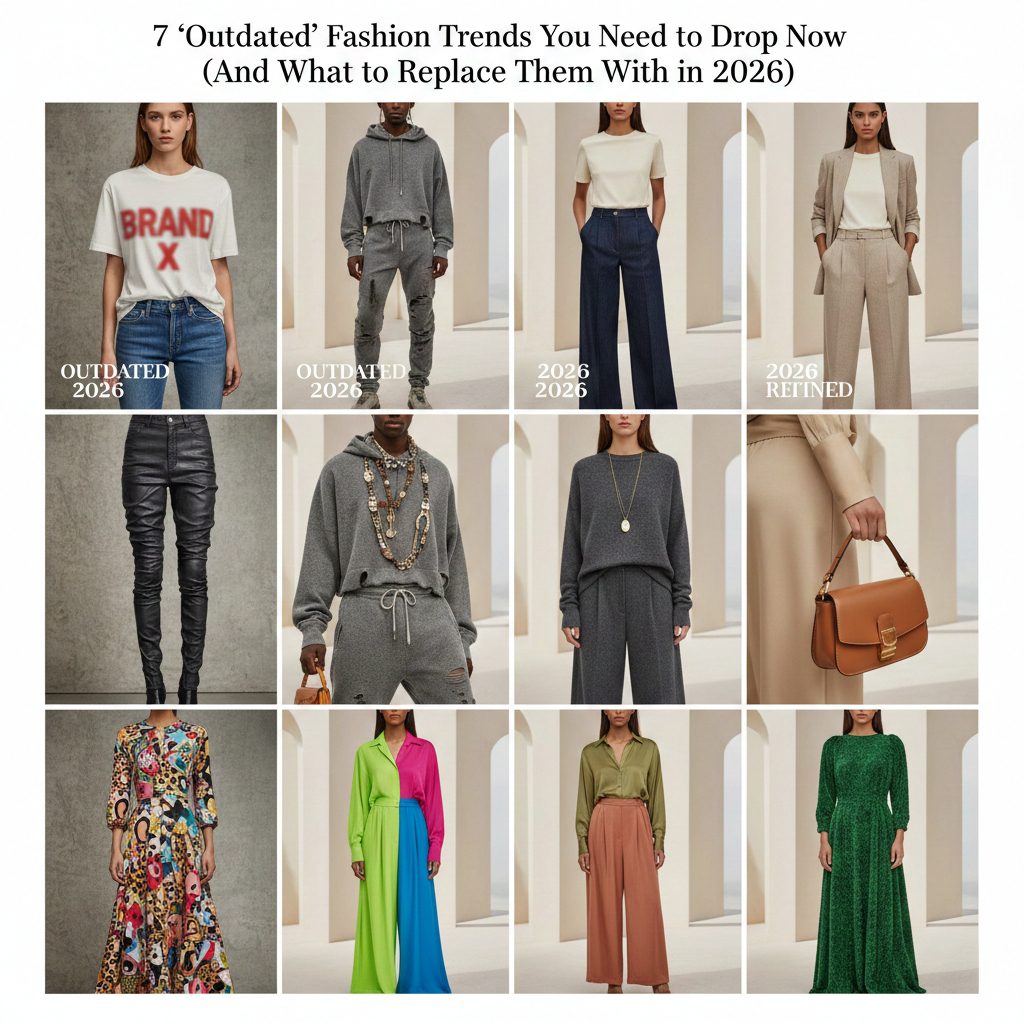
Introduction
In 2026, being “fashionable” no longer means having a closet overflowing with new clothes every season. As the environmental impact of fast fashion—from water pollution to massive landfill waste—becomes impossible to ignore, consumers across the United States are shifting toward a more conscious lifestyle. The best part? Sustainable fashion isn’t just about saving the planet; it’s one of the most effective ways to save money. By adopting a few simple habits, you can build a high-quality wardrobe that lasts longer and costs less over time. In this “The Style Click” guide, we’ll show you 10 sustainable fashion habits that are as good for your wallet as they are for the Earth.
1. The 30-Wear Rule
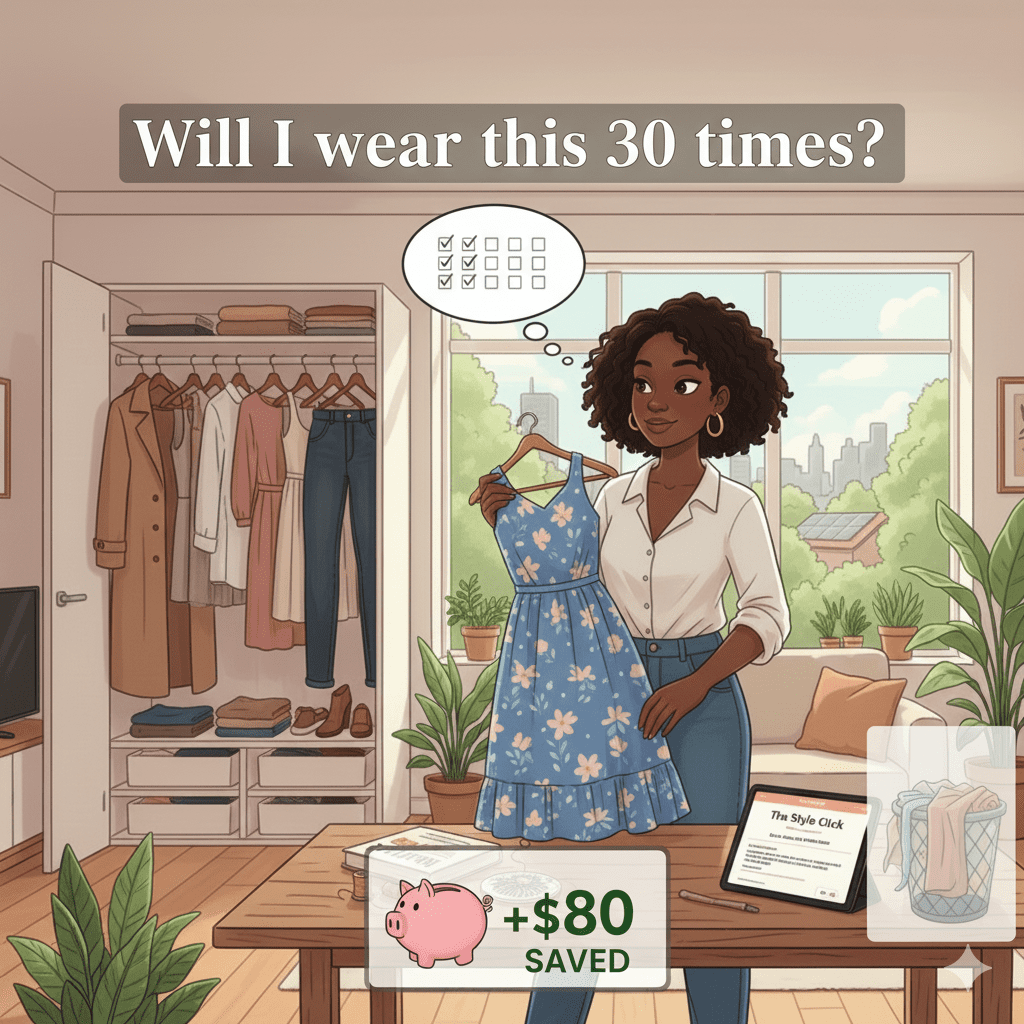
Before you tap “Add to Cart,” ask yourself one simple question: “Will I wear this at least 30 times?” * The Impact: This habit puts an immediate stop to “impulse buying” trendy items that end up in the trash after one wash.
- Saving Tip: If the answer is no, you’ve just saved yourself $30–$100. Over a year, this can add up to thousands of dollars in savings.
2. Shop Your Own Closet First
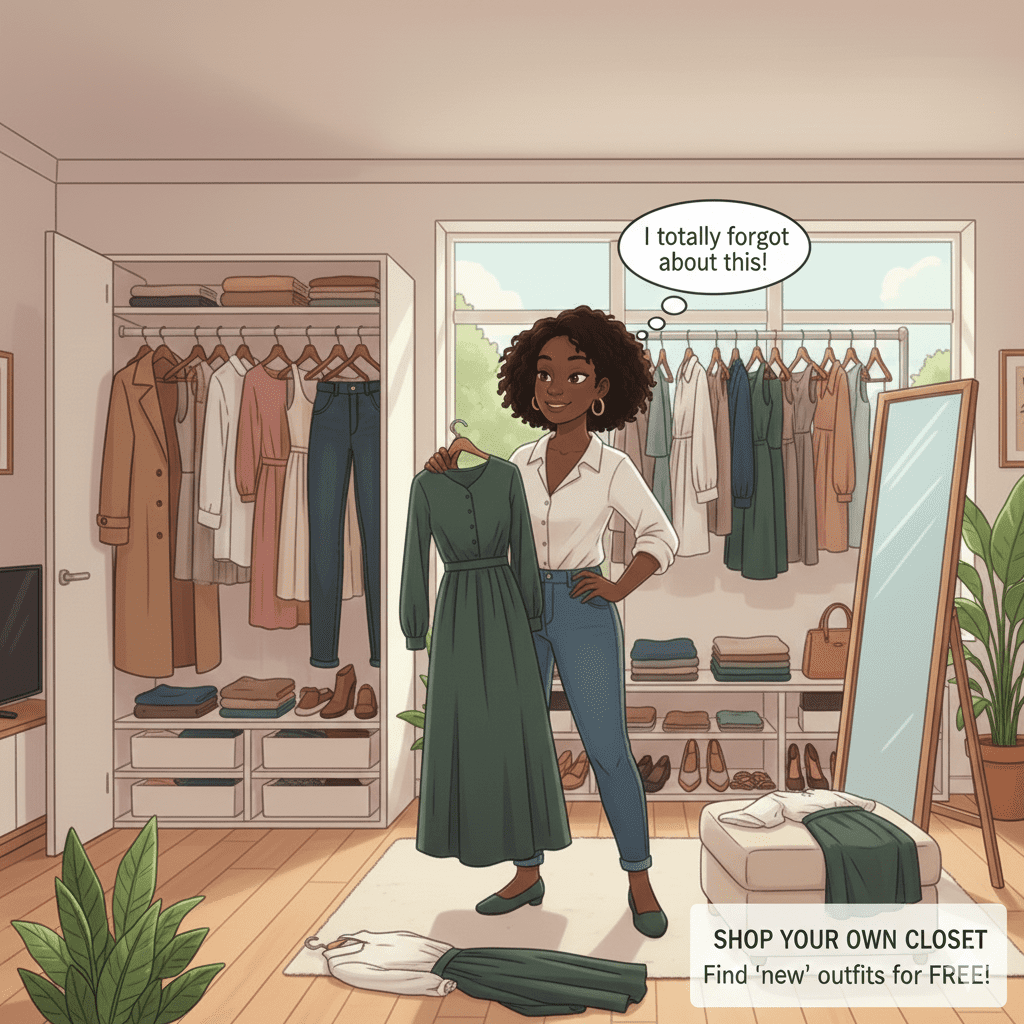
Often, we buy something new simply because we’ve forgotten what we already own.
- The Habit: Once a month, do a deep dive into your wardrobe. Reorganize and try on different combinations.
- The Result: You’ll often find “new” outfits without spending a single penny. It’s like shopping for free in your own home.
3. Master the Art of Thrifting & Resale
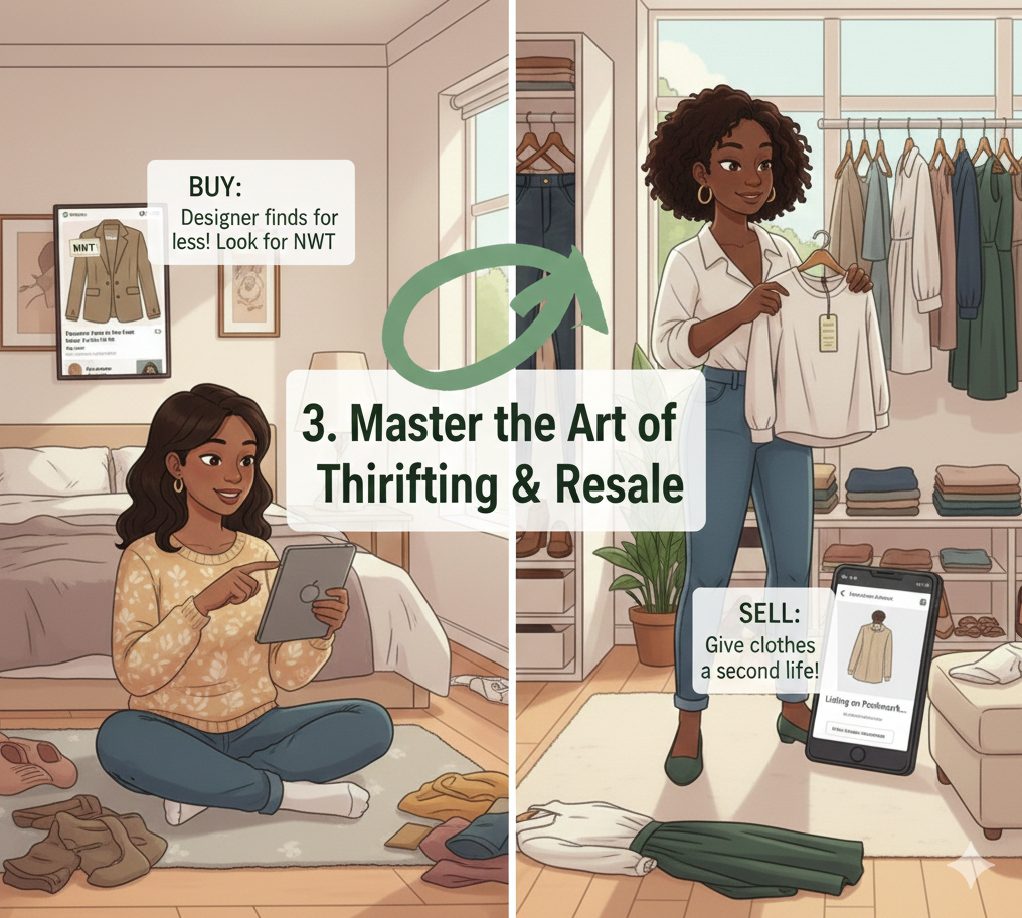
The second-hand market in the US is projected to reach new heights in 2026. Platforms like Poshmark, Depop, and ThredUp have made it easier than ever to find designer pieces at a fraction of the retail price.
- Eco-Benefit: Buying one used item reduces its carbon, waste, and water footprint by 82%.
- Strategy: Look for “NWT” (New With Tags) items to get brand-new luxury for less.
4. Prioritize Natural Fibers
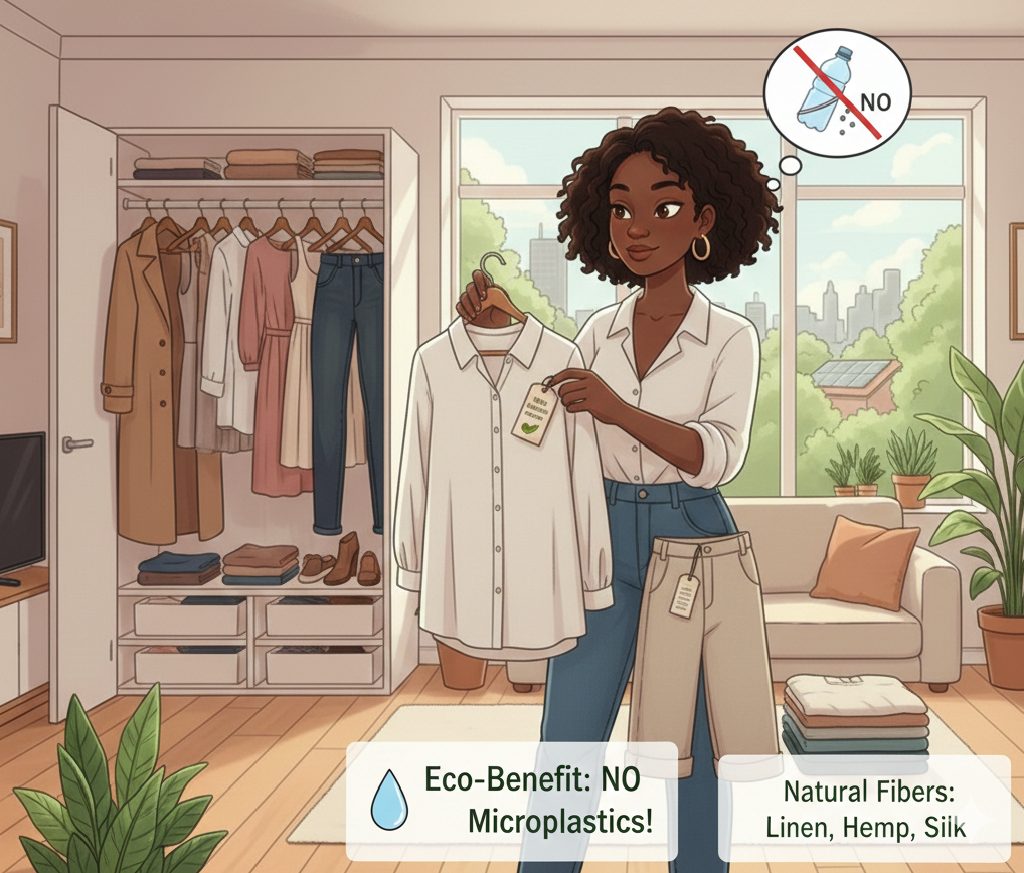
When you do buy new, check the labels. Synthetic fabrics like polyester and nylon are essentially plastic and release microplastics every time they are washed.
- What to buy: Opt for Organic Cotton, Linen, Silk, Tencel, or Hemp.
- Longevity: Natural fibers are more breathable and generally more durable, meaning you won’t have to replace them as often.
5. Learn Basic Clothing Repair
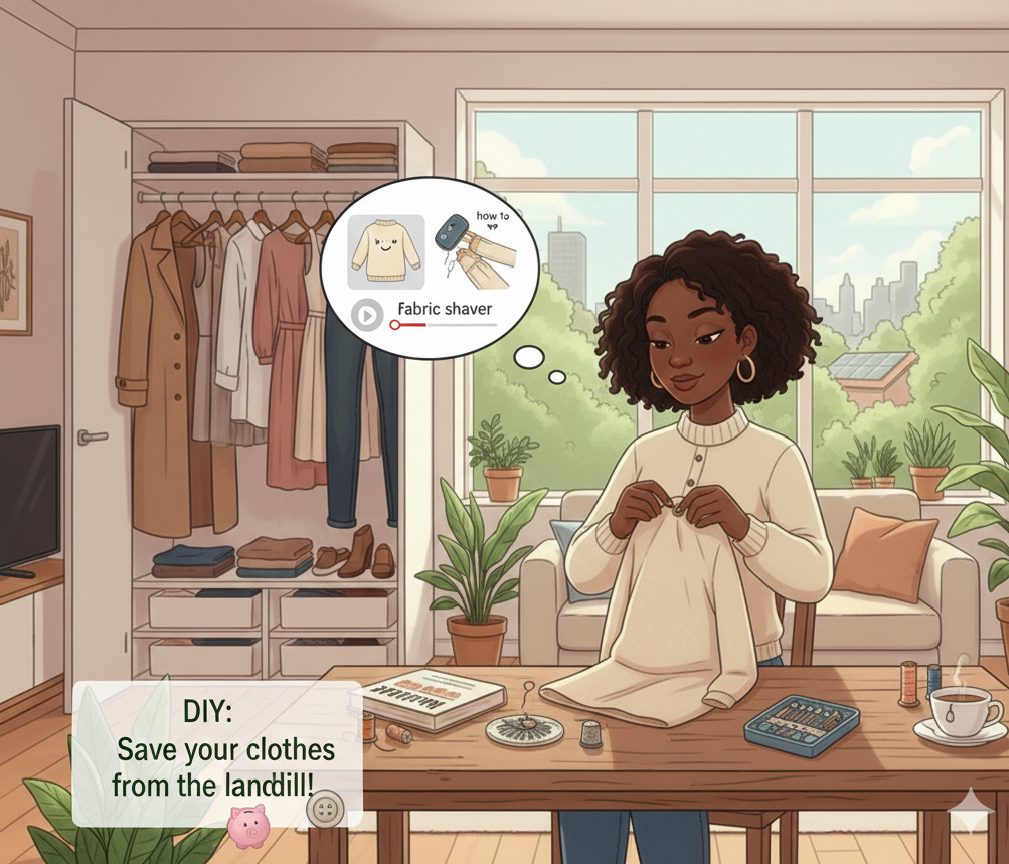
In our “throwaway” culture, a missing button or a small tear shouldn’t mean the end of a garment.
- The Skill: Learning to sew a button, fix a hem, or use a “fabric shaver” to remove pilling can add years to your clothes’ lives.
- DIY: There are thousands of 1-minute tutorials on TikTok that can save your favorite sweater from the landfill.
6. Practice “Low-Impact” Laundry
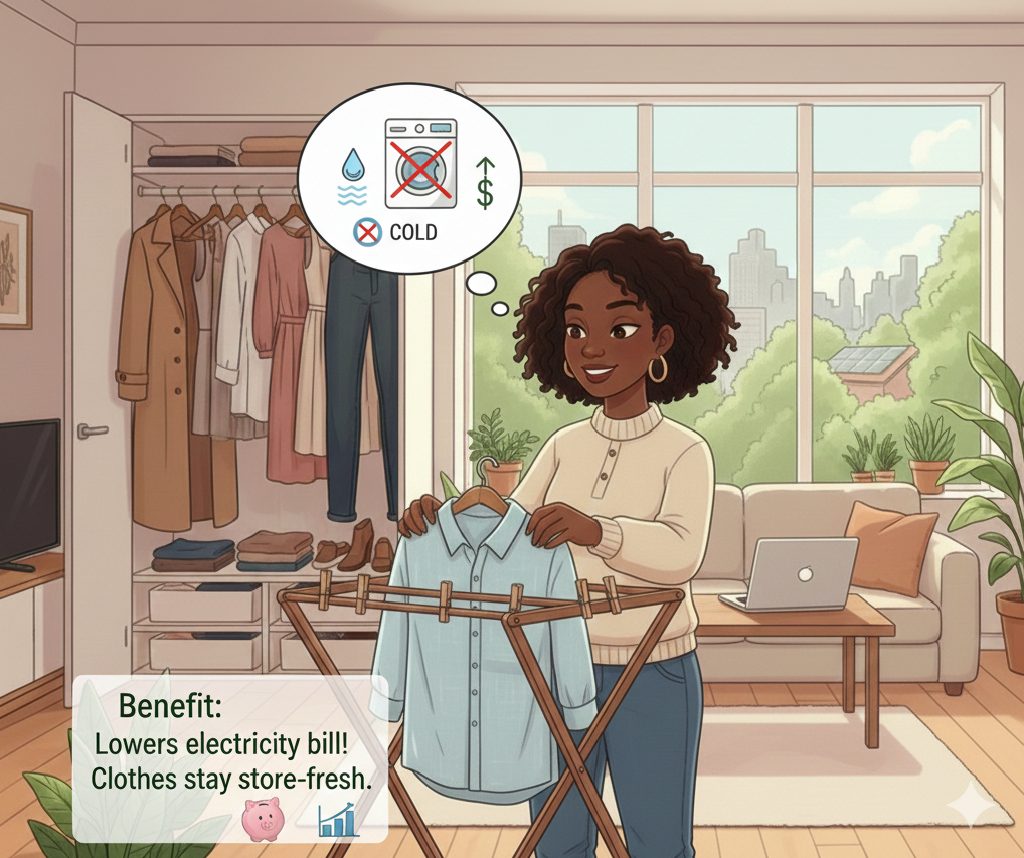
Did you know that 60-80% of a garment’s environmental impact happens after you buy it?
- The Habit: Wash your clothes in cold water and air-dry whenever possible.
- Benefit: Cold water prevents colors from fading and fabric from shrinking, keeping your clothes looking “store-fresh” for much longer. Plus, it lowers your electricity bill!
7. Host a Clothing Swap
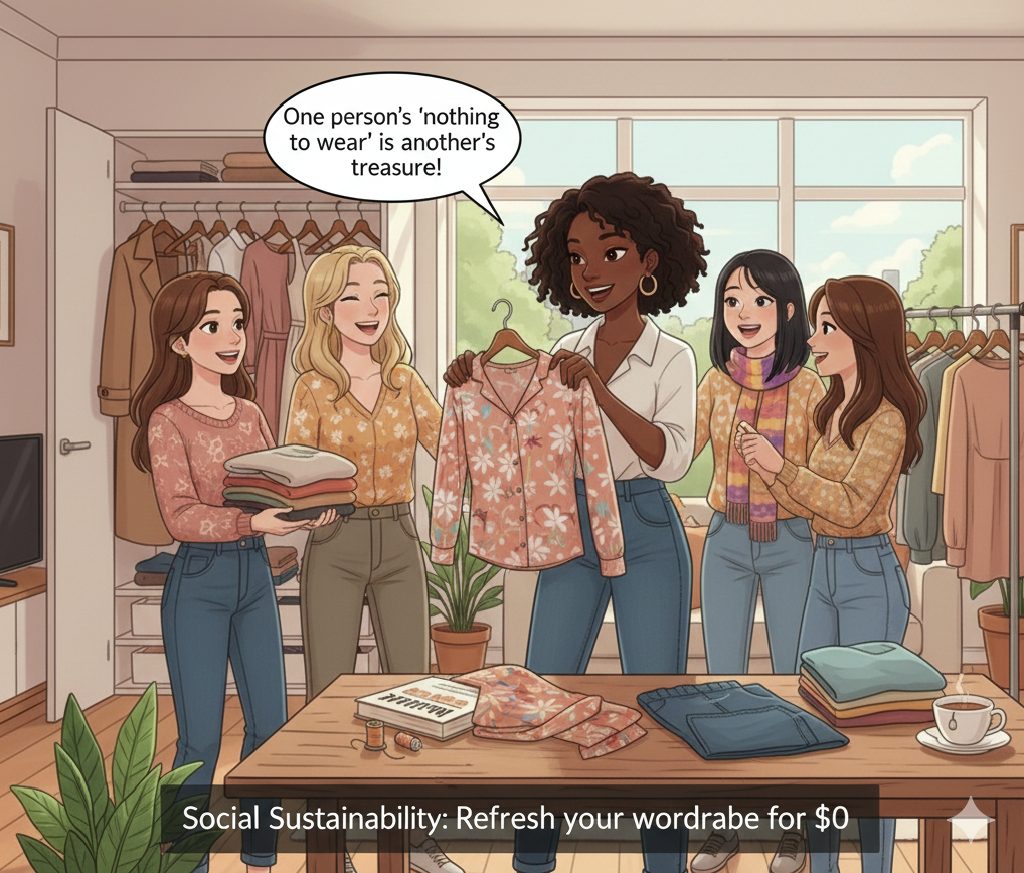
One person’s “I have nothing to wear” is another person’s treasure.
- Social Sustainability: Gather a group of friends and have everyone bring 5-10 items they no longer wear.
- The Perk: You walk away with a refreshed wardrobe for $0, and your unwanted clothes go to a home where they will be loved.
8. Rent for Special Occasions
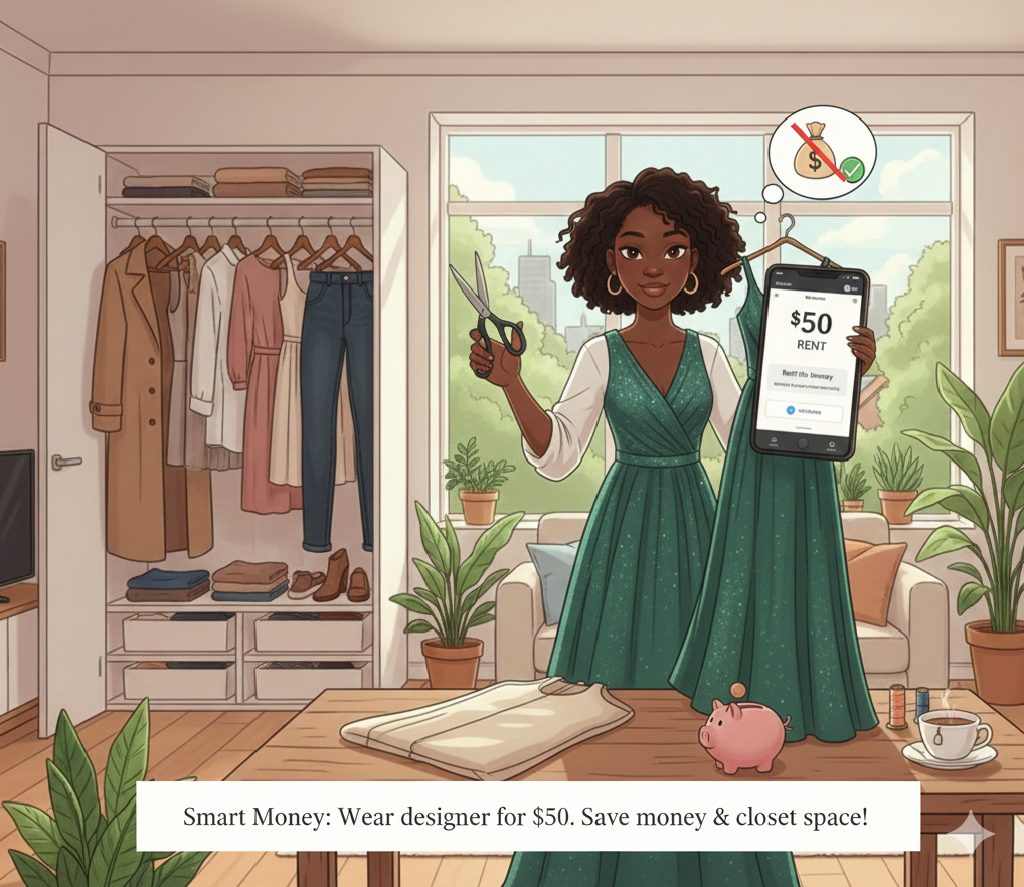
Stop buying expensive dresses that you’ll only wear to one wedding.
- The Alternative: Use services like Rent the Runway or Nuuly.
- Smart Money: You can wear a $500 designer gown for $50. You save money, save closet space, and prevent “single-use” garment waste.
9. Curate a Capsule Wardrobe
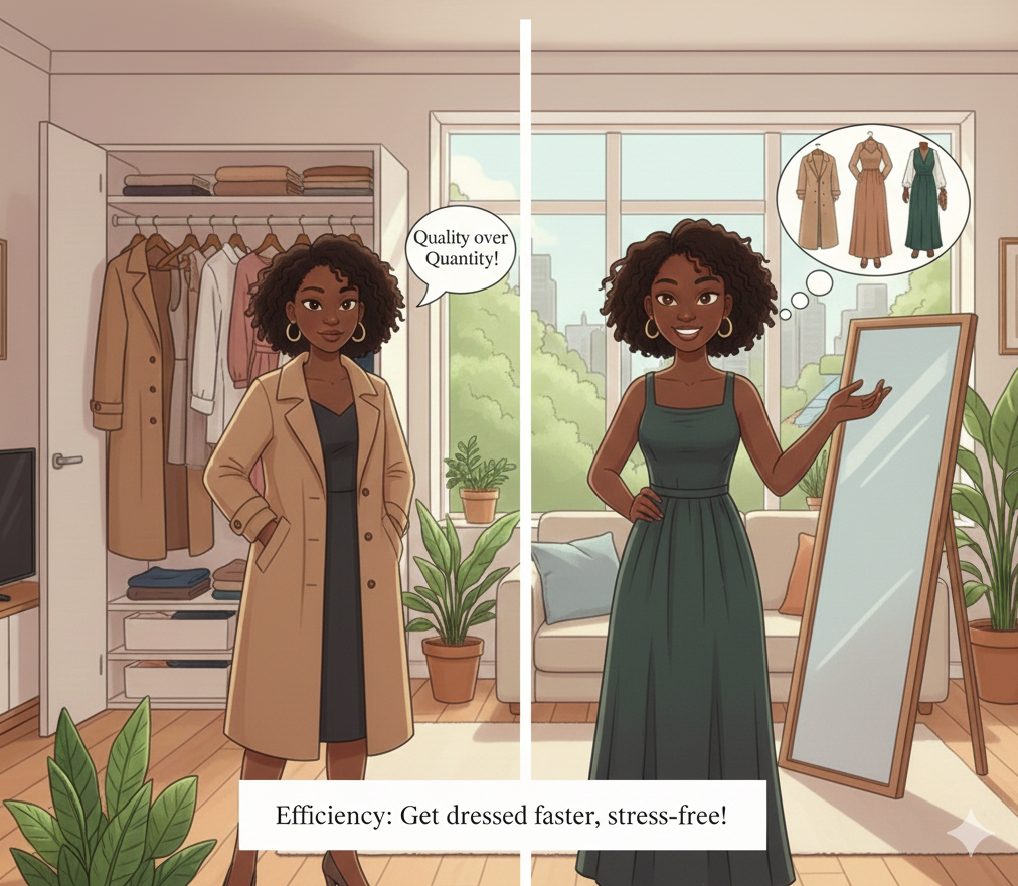
A capsule wardrobe is a small collection of essential items that don’t go out of style and can be augmented with seasonal pieces.
- Mindset: Quality over quantity.
- Efficiency: Having fewer, more versatile items makes getting dressed in the morning faster and stress-free.
10. Invest in Quality “Investment” Pieces
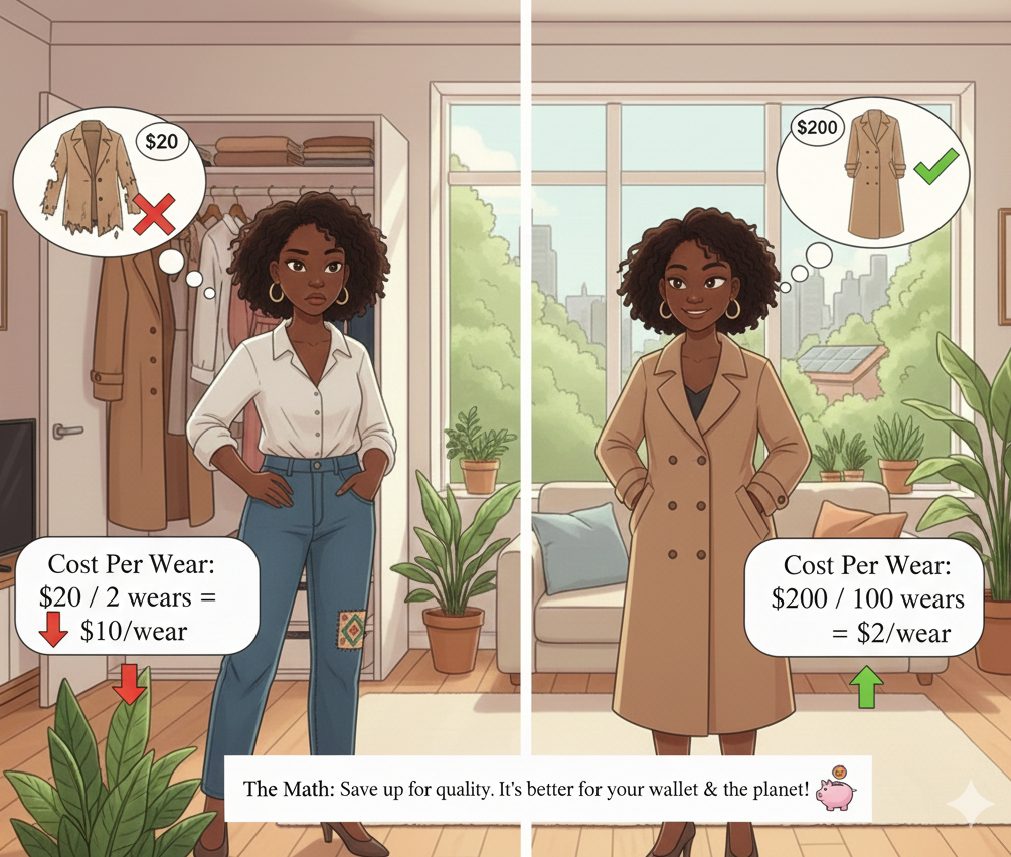
It sounds counterintuitive to spend more to save money, but the “Cost Per Wear” (CPW) proves it works.
- The Math: A $20 fast-fashion jacket that falls apart after 2 wears costs $10 per wear. A $200 high-quality coat that lasts 10 years (100+ wears) costs $2 per wear.
- Habit: Save up for the $200 coat. It’s better for your long-term finances and the planet.
Conclusion
Sustainable fashion is not about being perfect; it’s about making better choices one step at a time. In 2026, the most stylish people are those who wear their values on their sleeves. By adopting these 10 habits, you are proving that you can be a fashion leader without sacrificing your bank account or the environment. At The Style Click, we believe that the future of fashion is circular, conscious, and incredibly chic.