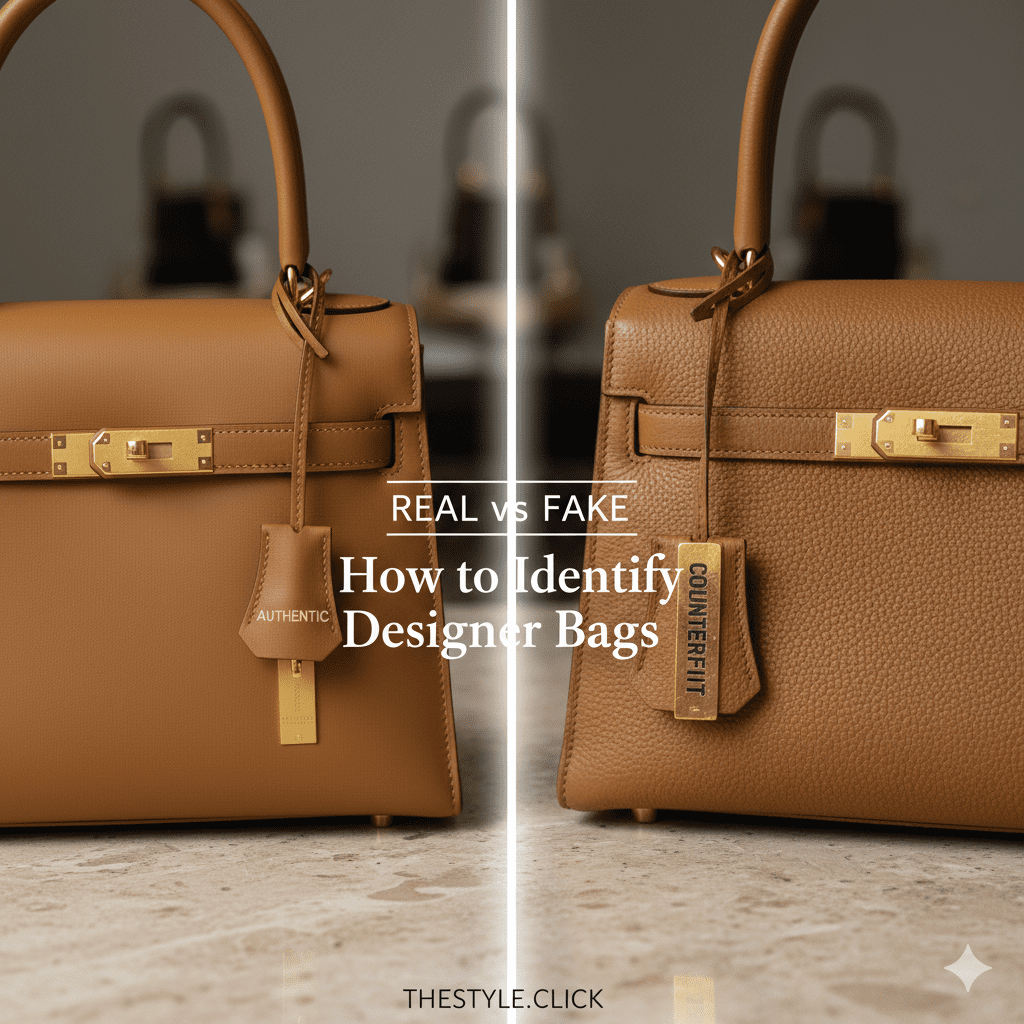
Purchasing a designer handbag is often a significant investment, but the pervasive counterfeit market makes authenticity a primary concern. Every detail, from the material to the serial number, serves as a crucial identifier. This guide will walk you through the essential steps to authenticate a luxury bag with confidence.
The Step-by-Step Authentication Process
Use this checklist whether you are buying a bag online or in person to determine its authenticity.
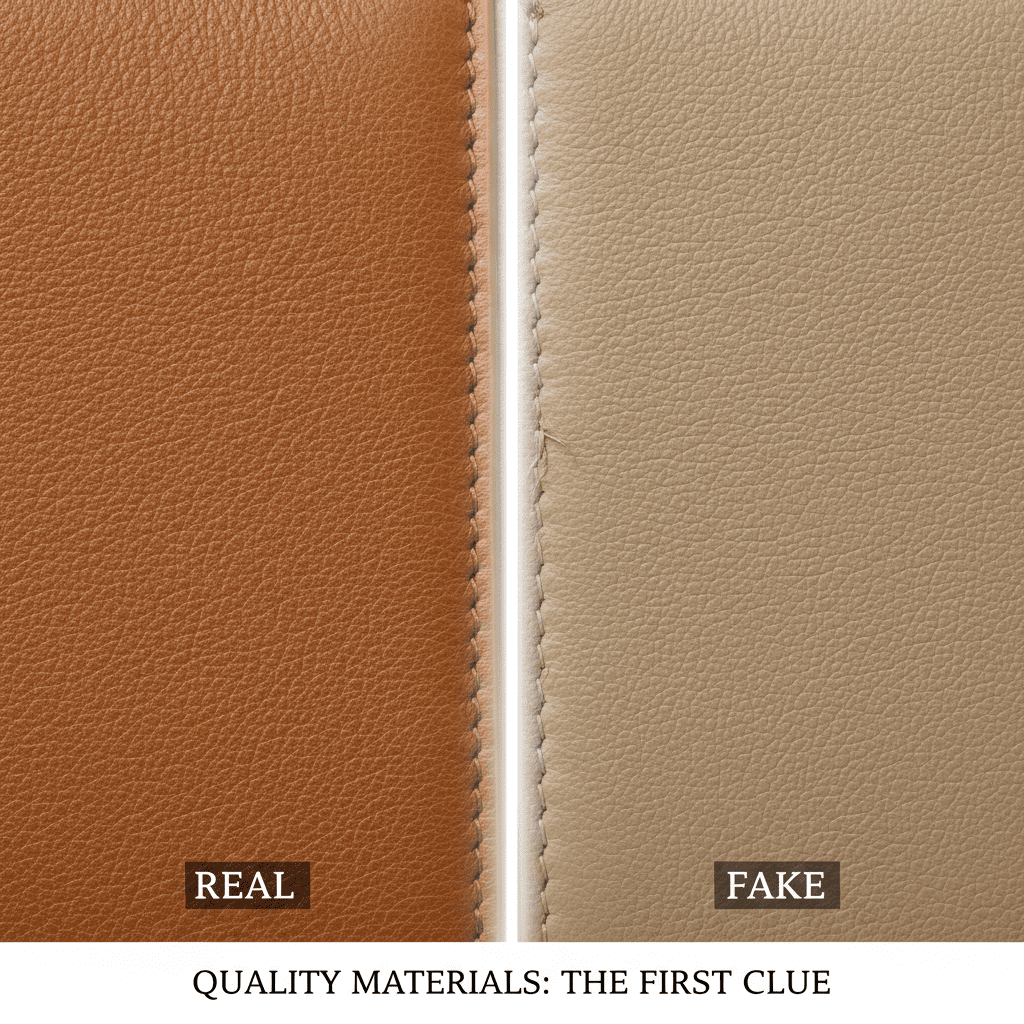
1. Inspect the Material Quality
Authentic designer bags use only the highest grade, premium materials. The texture should feel supple, rich, and durable, not stiff, cheap, or plastic-like. Genuine leather has a distinct, natural scent, which is a major giveaway compared to the chemical odor of synthetics used in fakes.
- Real: High-grade Italian leather or durable, treated canvas.
- Fake: Stiff, cheap-feeling synthetic materials; strong chemical smell.
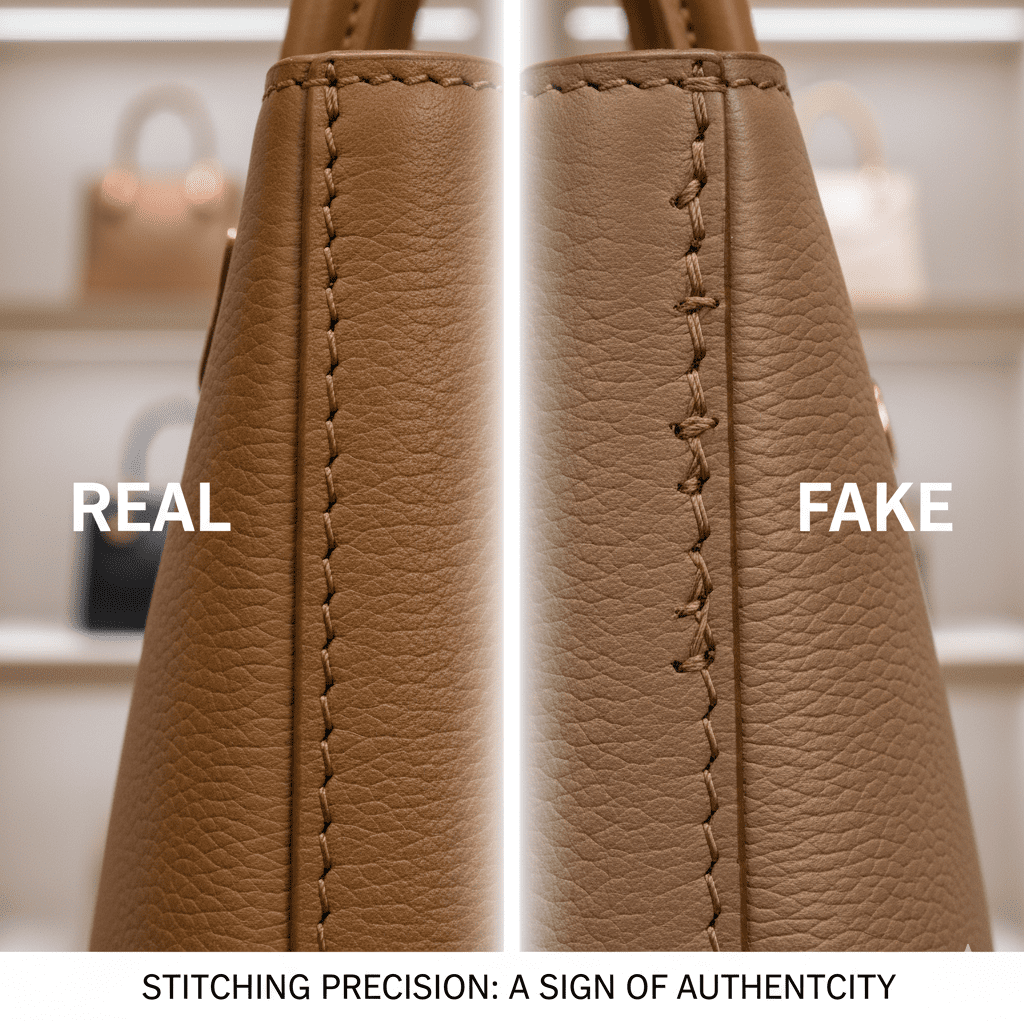
2. Examine the Stitching Precision
Luxury brands are renowned for their flawless craftsmanship. Look for tight, uniform, and perfectly straight stitches across the entire bag, including the interior lining and pockets. There should be no loose threads, frayed edges, or uneven lines. Inconsistent stitching is a clear sign of mass production and a lack of quality control.
- Real: Uniform, straight, tight stitching with no loose threads.
- Fake: Uneven stitches, loose threads, or frayed edges.
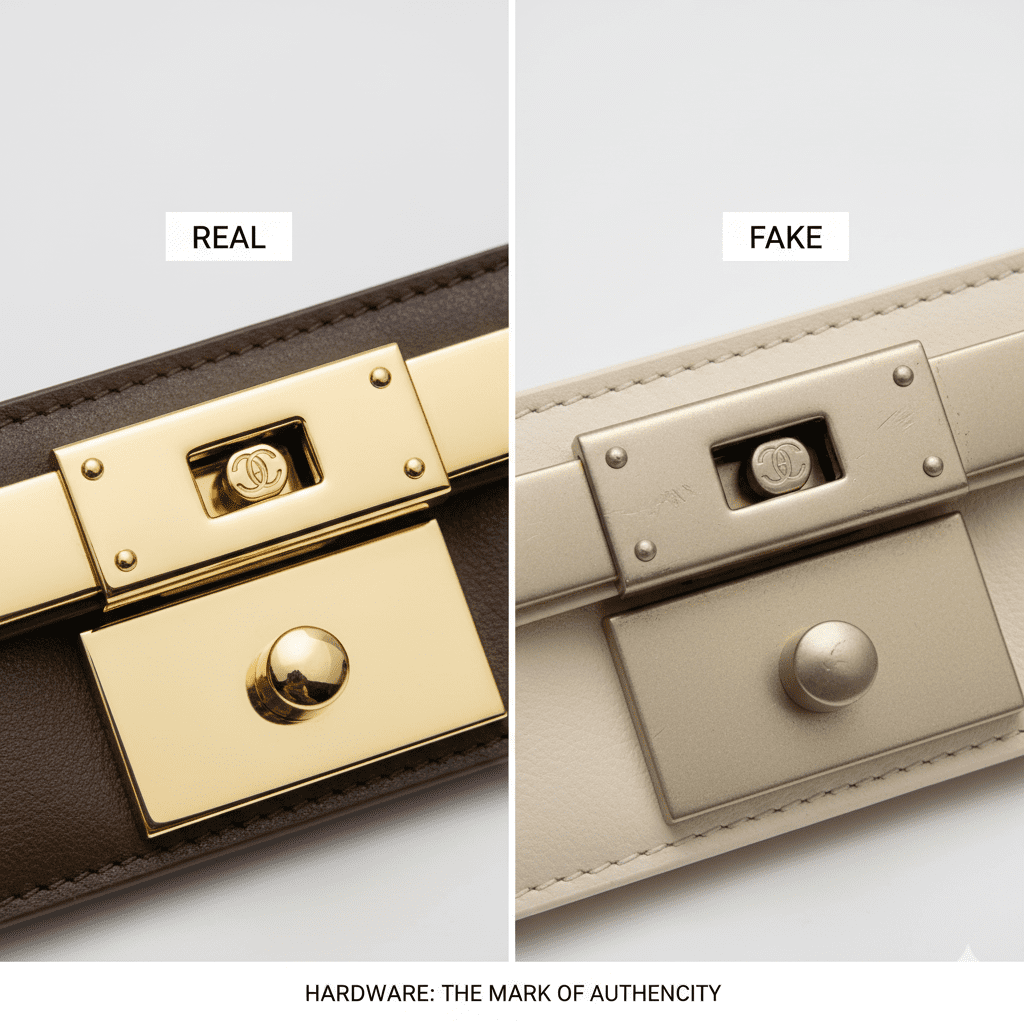
3. Check the Hardware Details
The metal components—zippers, clasps, buckles, and chains—are critical indicators. Authentic hardware feels heavy, solid, and sturdy. It is typically made from high-quality, often plated, metals that are precisely polished and engraved with the brand’s logo. Fakes often use lightweight, hollow metal with shallow or sloppy engravings.
- Real: Heavy, polished hardware that zips smoothly.
- Fake: Lightweight, cheap-feeling metal; rough or poorly stamped logos.
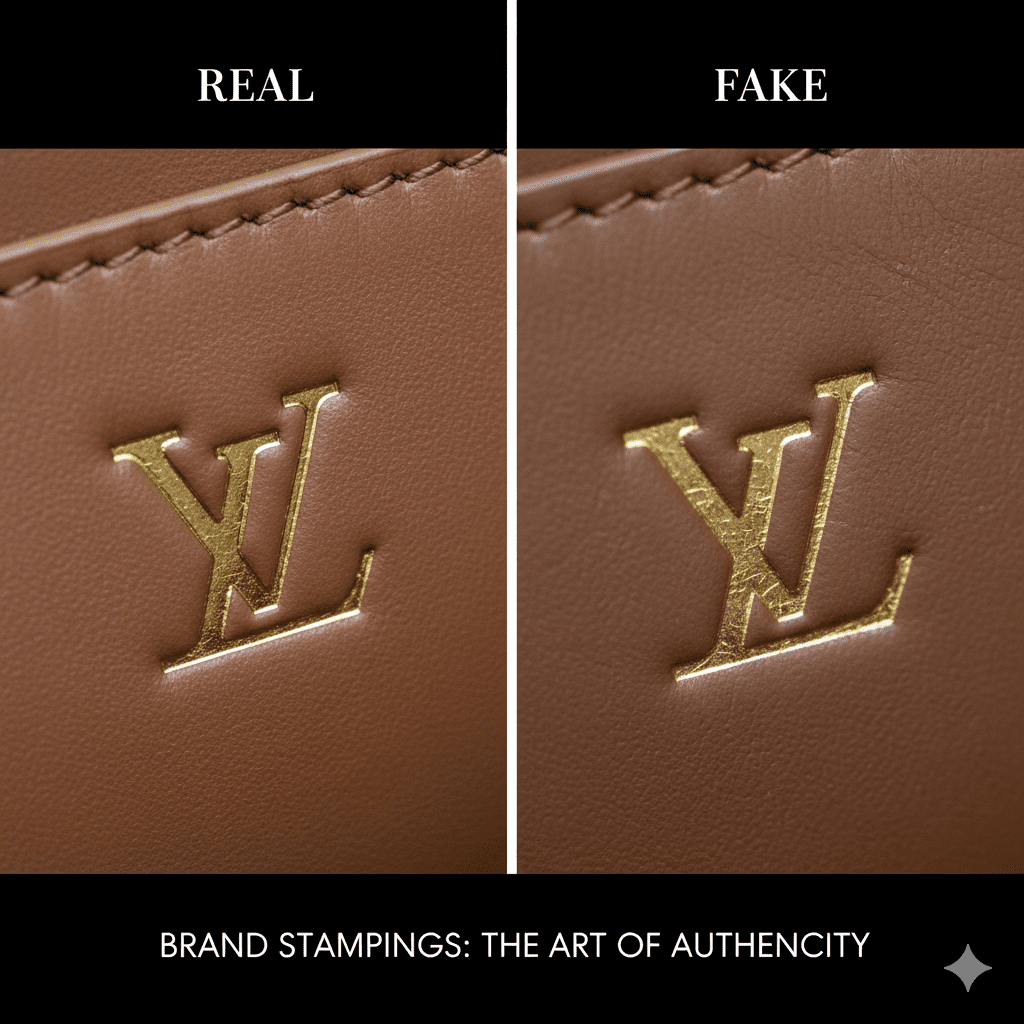
4. Verify Logos and Brand Stampings
Pay microscopic attention to the brand’s logo, font, and placement. The stamping should be crisp, clean, and perfectly consistent with the official brand’s style, complete with correct letter spacing and alignment. Any misspellings are an immediate red flag. It is helpful to compare the logo with an official image from the brand’s website.
- Real: Crisp, even, and perfectly aligned logo stamp.
- Fake: Blurry, misspelled, or poorly aligned logo.
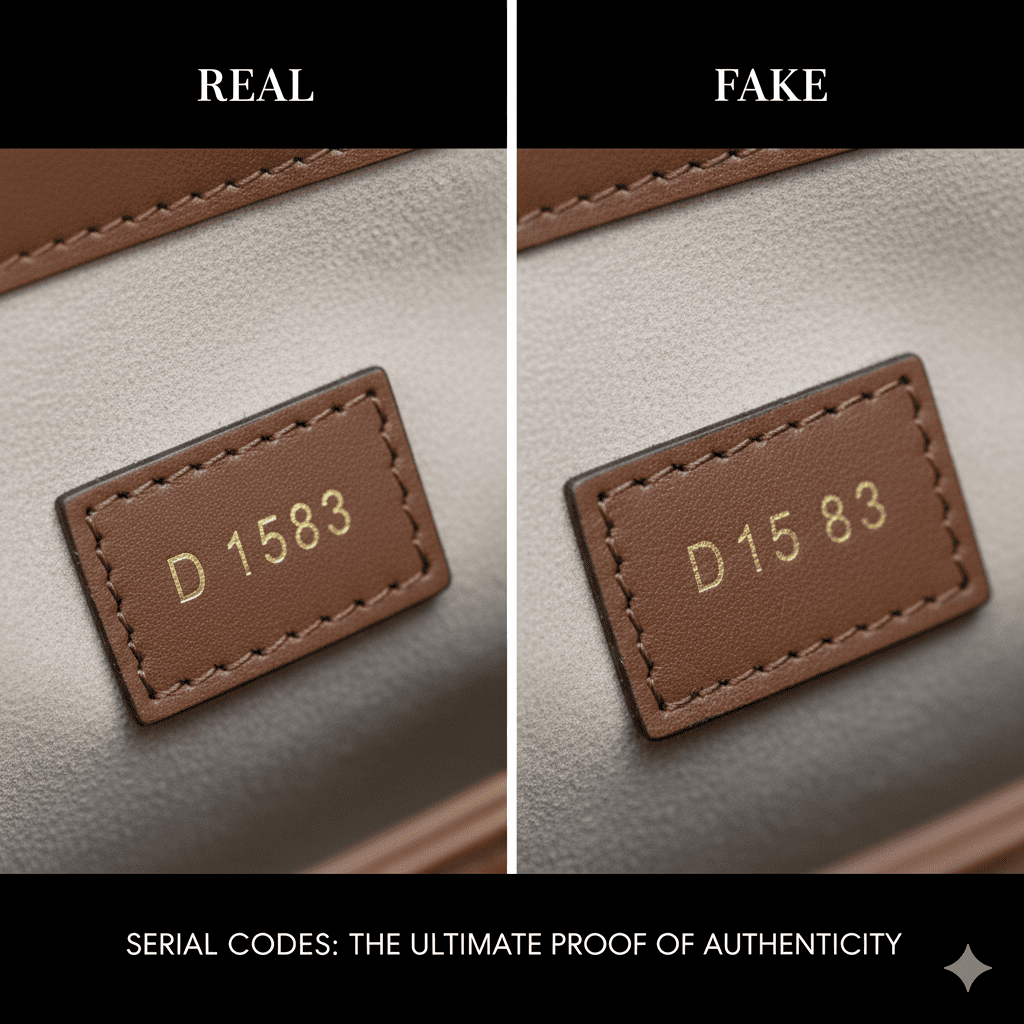
5. Locate Serial Numbers or Date Codes
Most luxury bags feature an internal tag with a unique serial number, date code, or an authenticity card. This code should follow a specific brand format and, where possible, be verifiable through the manufacturer or official databases. Keep in mind that sophisticated counterfeiters attempt to replicate these codes, so this check should be used in combination with all other authentication steps.
- Real: A unique internal code that follows the brand’s specific format and date system.
- Fake: Missing tags, incorrect code format, or non-verifiable numbers.
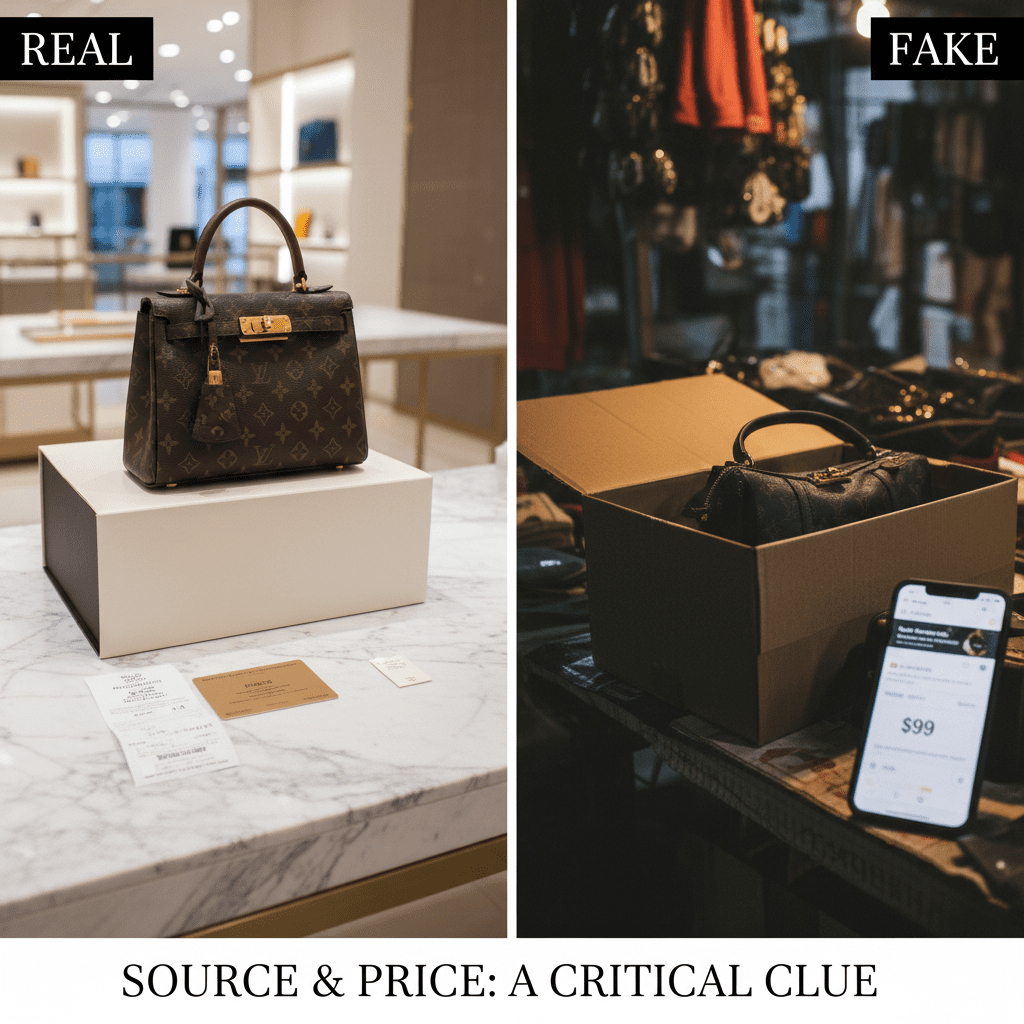
6. Consider the Source and Price
If a deal appears too good to be true, it almost certainly is. Authentic luxury bags rarely come with extreme, unseasonal discounts. To minimize your risk, always purchase from authorized retailers, reputable department stores, or well-known resale platforms that explicitly offer an authenticity guarantee.
- Real: Purchased from an authorized, trusted source.
- Fake: Found at unbelievably low prices from questionable sellers.
Final Thoughts
Trusting your gut feeling and being meticulous in your inspection are your best defenses against falling victim to counterfeits. If you are ever in doubt about a purchase, consider utilizing a professional, third-party authentication service for complete peace of mind.